Technique
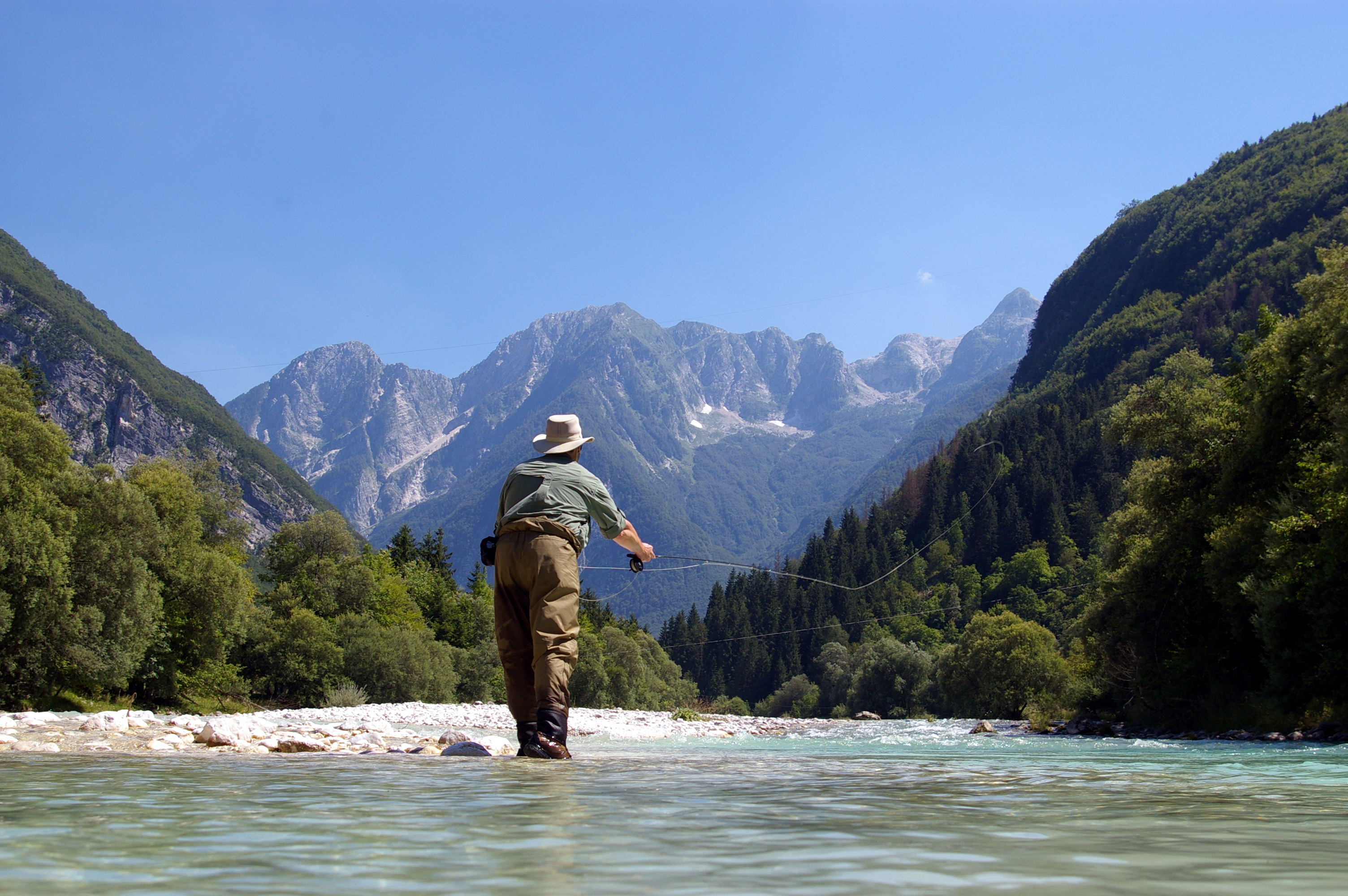
Reading the Water: Trout Lies and Holding Spots in Canadian Rivers
How current speed, depth, and structure determine where trout position themselves — and how to find them without spooking the pool.
Freshwater & Fly Fishing — Canada
River Lane Journal covers the technical and practical side of freshwater fishing in Canada — from species behaviour and seasonal timing to rod selection and provincial regulations.
Browse Articles
Practical coverage on technique, gear, and the species found in Canadian freshwater systems.
Technique
How current speed, depth, and structure determine where trout position themselves — and how to find them without spooking the pool.

Gear
Matching rod weight to the water you fish makes a measurable difference. A breakdown of what works in small Ontario streams versus larger BC freestones.

Conservation
Water temperature, handling time, and hook choice all affect post-release survival. The data behind best practices for Canadian trout and pike.
Species Focus
Each species has distinct habitat preferences, feeding windows, and gear requirements. Understanding the biology behind their behaviour is more useful than any single tip list.
Trout Habitat GuideFour species that reward different approaches and appear across different regions of the country.
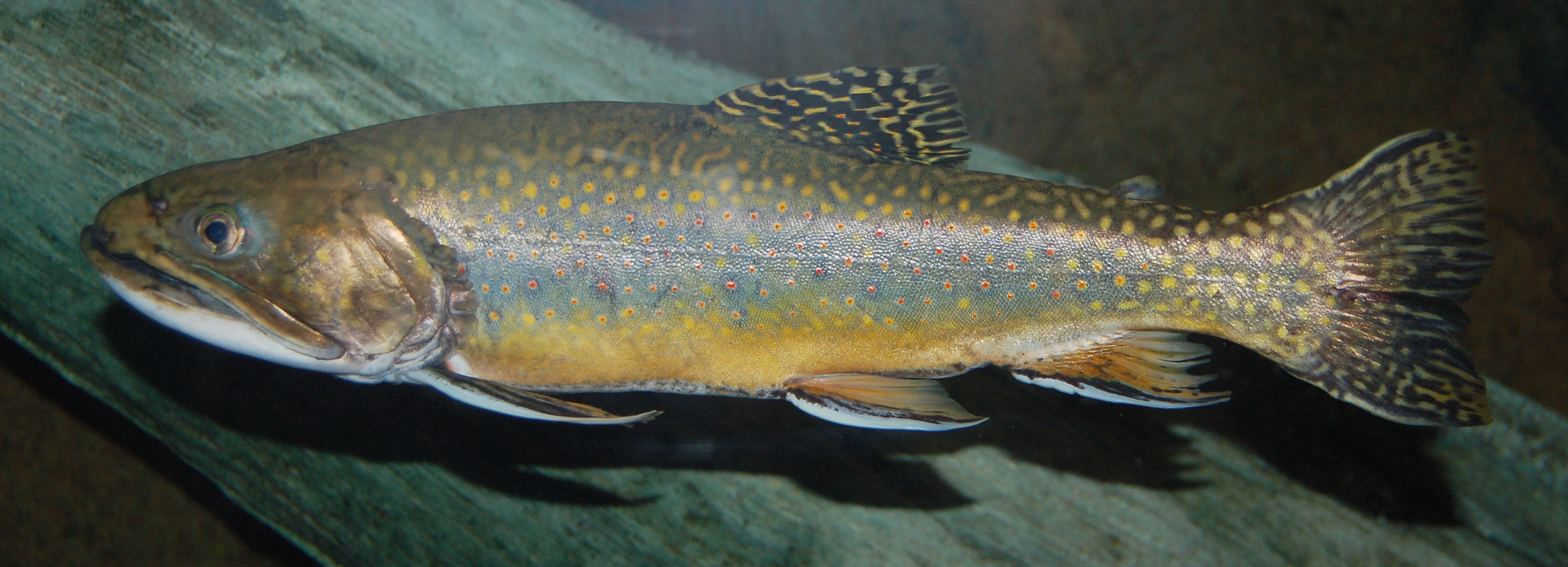
Brook Trout
Salvelinus fontinalis
Native to eastern Canada; prefers cold, clear streams. Spawns in autumn when water drops below 10°C. A dry-fly target in Ontario's limestone spring creeks.
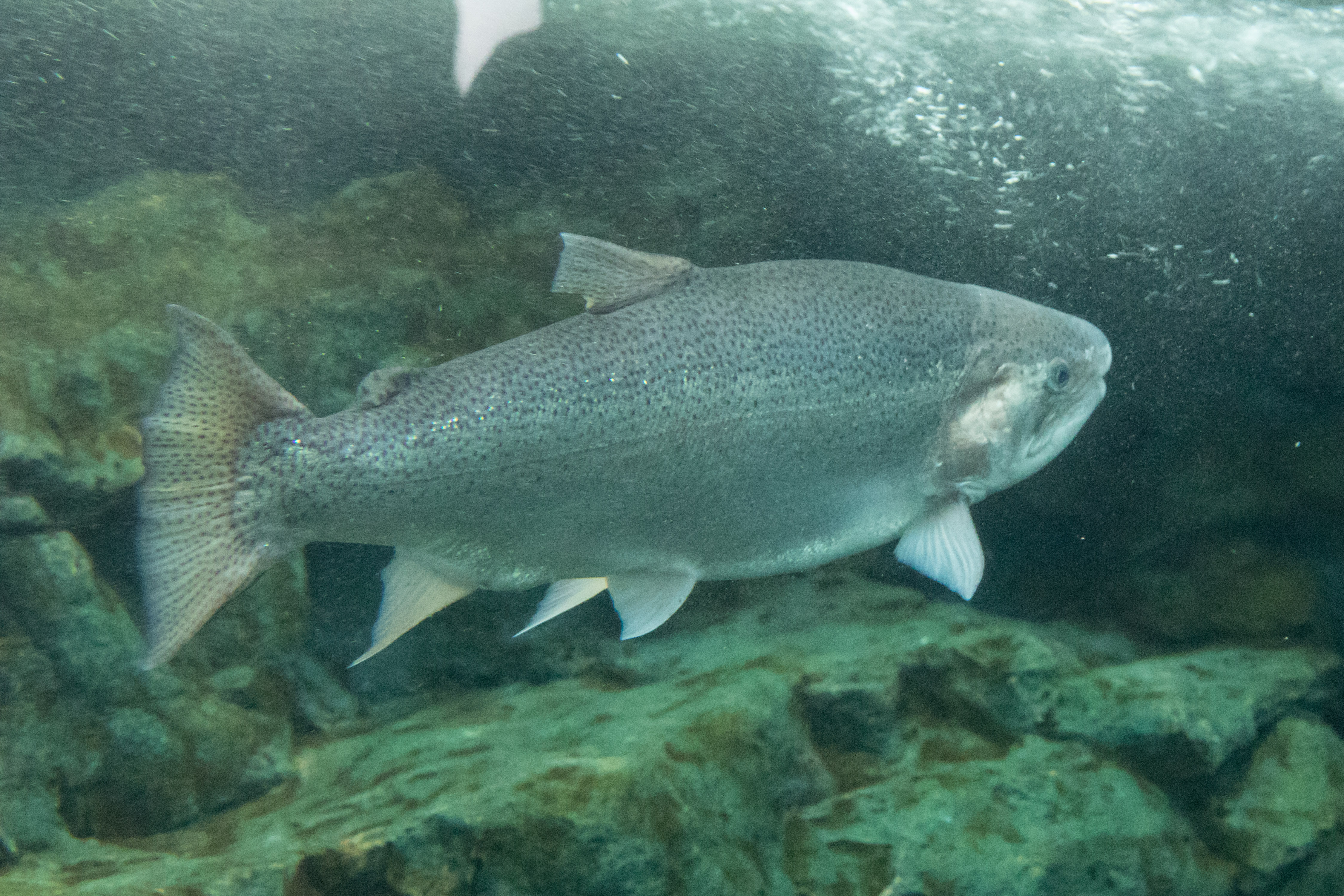
Rainbow Trout
Oncorhynchus mykiss
Widely stocked across BC, Ontario, and Alberta. Sea-run steelhead populations enter rivers from October through April. Responds well to nymphs and streamers.

Northern Pike
Esox lucius
Found across nearly every province. Accessible on the fly from May through June when water temperatures reach 15–17°C in shallow bays and back eddies.
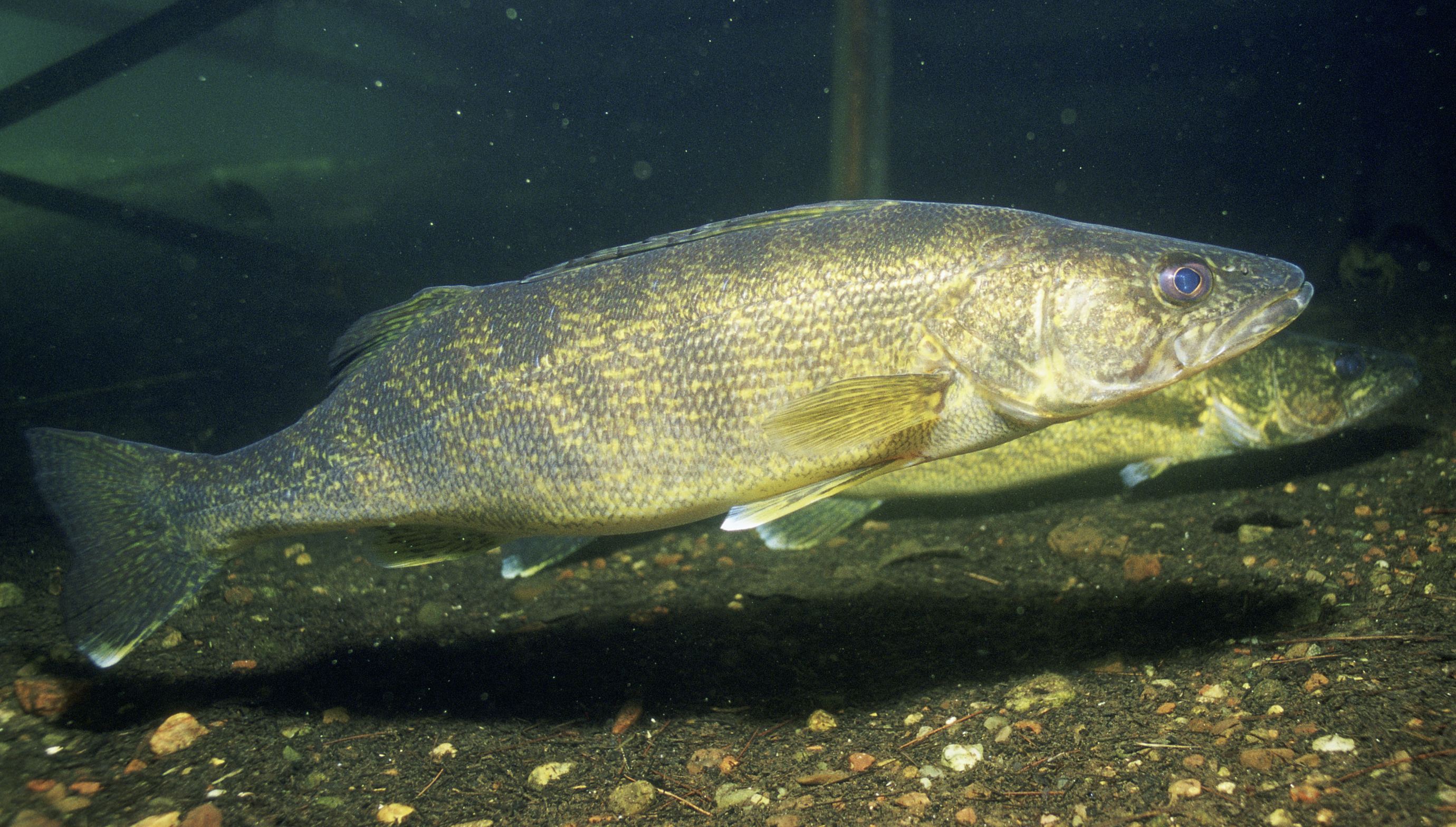
Walleye
Sander vitreus
Ontario's most popular table fish. Feeds actively at dawn and dusk. Can be taken on the fly using sinking lines and large minnow-pattern streamers in river systems.
Provincial Licences
Ontario requires an Outdoors Card plus a separate annual or one-day licence for anglers aged 18–64. British Columbia issues basic freshwater licences through the WILD system, with supplementary stamps for certain species. Alberta exempts anglers under 16 and residents 65 and older.
In all provinces, possession limits and size restrictions vary by species and zone. Checking the current regulations summary before each season is straightforward and avoids avoidable fines.
Seasonal Calendar
Trout feed most actively between 10°C and 18°C. Pike move into shallow water once temperatures clear 10°C. Walleye follow the same warming pattern but tolerate warmer water longer. Timing a trip around these windows consistently outperforms any rod or fly selection.
Water Temperature GuideThree aspects of equipment that affect outcome on Canadian water.
Rod Weight
A 5-weight covers most Ontario stream trout fishing. A 7 or 8-weight handles pike and large streamers on bigger water. Using too light a rod in wind causes poor presentation more than anything else.
Line Selection
A weight-forward floating line works for most dry-fly and nymph presentations. Sink-tip lines with 10–15 foot sinking sections reach the holding depth for steelhead and walleye in moving water.
Leader Length
9-foot leaders work in most conditions. Dropping to 7.5 feet improves turnover of heavy nymphs. Extending to 12 or 15 feet helps in very clear, low summer flows where fish are easily spooked.
Check current rules at the official provincial source before your first trip of the season.